Logbook entry № 3 · Duncan Macleod
The six lifts and the fifty-eight-second climb
First noted
A retired hoistway mechanic explains the ascent, the sudden slowdowns on windy afternoons, and the role of the lightning rods on the mast.
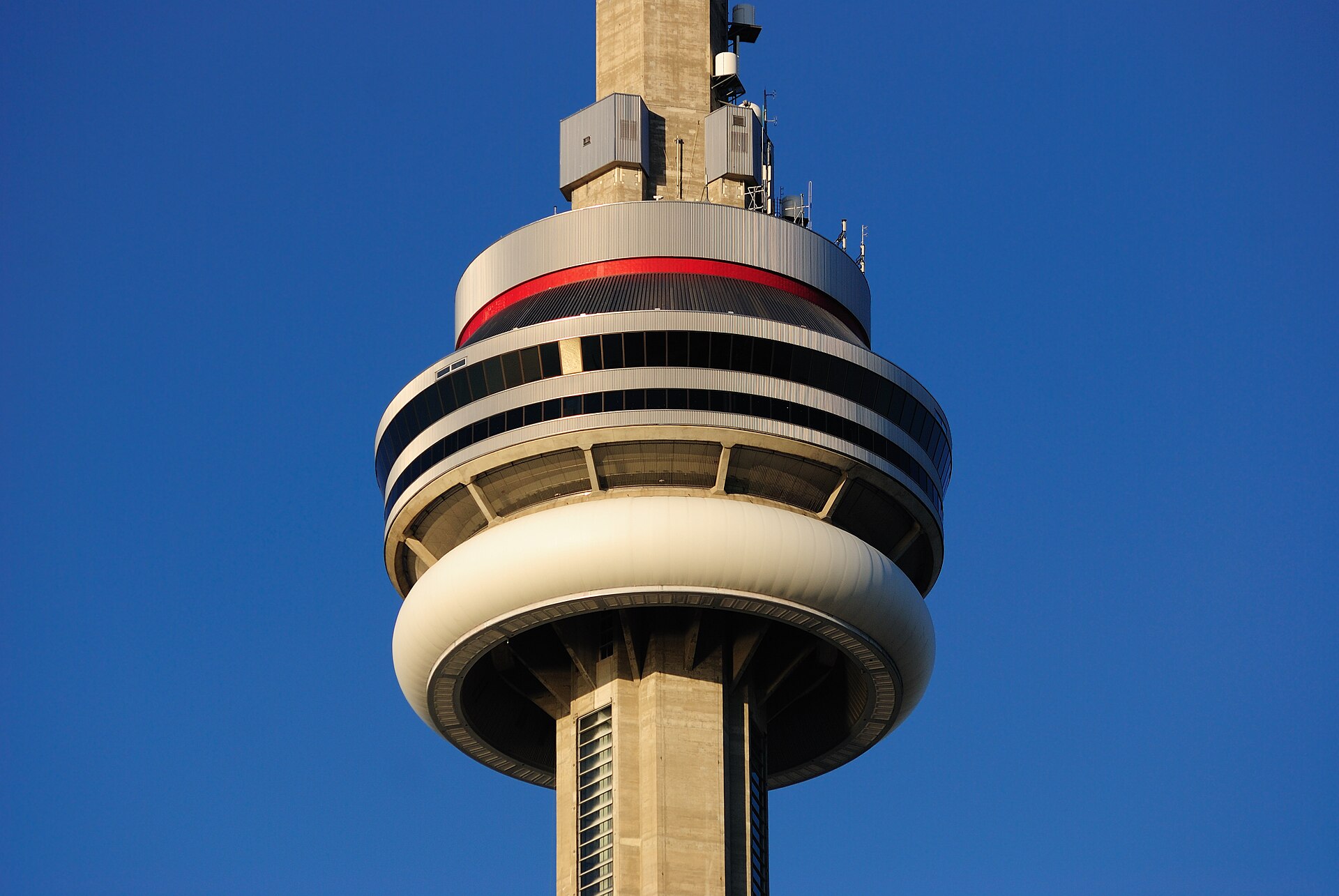
The ride that visitors call simply “the lift” is six separate cabs running in paired shafts along the north leg of the shaft wall. Each cab climbs at roughly twenty-two kilometres per hour, which is the practical limit for a passenger lift that depends only on a pair of guide rails and a set of counterweights running inside a sealed hoistway. A dedicated freight hoist runs in a seventh shaft but takes no passengers and is used almost entirely overnight.
When a cab leaves the ground lobby, the operator closes the manual gate behind the automatic doors and the cab accelerates for about ten seconds, climbs at full speed for another forty, and then decelerates for the last eight. The total time depends on the cab, the load, and on how the control software decides to pair braking with the counterweight. People remember the number as “a minute”, but it is closer to fifty-eight seconds on a calm day.
The ride is quiet because most of the noise the public associates with lifts belongs to the door systems. The traction motors and the running rollers are shielded by a soundproof box above the cab and by the thickness of the concrete shaft. On a windy day you can sometimes hear the counterweight passing the cab on its way down, a steady hush that disappears after a floor or two.
Visitors often ask about the slowdowns on windy afternoons. When the wind at the mast exceeds a defined threshold, the control system reduces the maximum speed of each cab. In practice this adds about twelve seconds to the climb. The reason is simple: the taller a cab climbs, the more a lateral sway from the building can translate into small movements of the cab against its guide rails. Reducing speed keeps the ride comfortable and reduces wear on the rails over the long term. On a truly severe day the lifts can be stopped altogether while the dampers at the top of the mast absorb the oscillations.
Lightning rods are a separate concern. The tower is one of the tallest structures in the Great Lakes region and is struck many times each year. The ground path is impressive: a continuous copper conductor runs from the top of the mast through the concrete core and into a grounding ring buried below the lobby. Passengers never feel the discharge because the lift cabs sit inside a Faraday cage formed by the shaft reinforcement and the cab’s own frame.
If you have a choice, ride down rather than up with your camera out. The descent is calmer, the deceleration is predictable, and the cab’s floor light exposes the trusses that cross the shaft. Those crossbeams are not decorative. They anchor the guide rails against the slight torsional movement of the building and they give the sheave bearings at the top an honest working target. A hoistway without crossbeams is a hoistway that will need re-alignment much sooner.
One final thing from experience. If the lift stops between floors for a minute or two, do not panic. Modern controllers deliberately hold a cab until the pairing system determines it can rejoin the queue without crossing the counterweight of its neighbour. It feels unusual the first time, but it is the safest form of pause a high-speed hoistway can produce.
— D.M.